

The Universal Wellbeing Charter
A Framework for Global Primordial Prevention
Wellbeing will not change unless we support it to do so.
The Universal Wellbeing Charter is a call to act earlier, work together and address the underlying determinants of poor wellbeing before harm becomes entrenched. It connects research with practical action led by individuals, families, communities, organisations and governments.
We cannot keep responding only after harm occurs.
Suicide, sexual and family violence, addiction, crime, mental health challenges, chronic illness and low educational engagement are among the entrenched issues that demand sustained attention. Housing insecurity and weakened social cohesion also affect the conditions in which people live and thrive.
The Charter calls for a different starting point: understand the determinants influencing these challenges and act at their source. Its primordial prevention approach seeks to strengthen the conditions for wellbeing before risks, inequities and harms take hold.
It places individuals, families and people-powered communities at the centre of change, while recognising the responsibilities of organisations, services and governments.
From good intentions to practical, measurable action
The Charter connects an evidence-based wellbeing framework with the people, partnerships and implementation needed to make change possible.
Act before harm takes hold
Identify and strengthen the determinants that shape wellbeing, rather than relying solely on responses after problems emerge.
Build change with people
Bring individuals, whānau, families, organisations and communities into defining needs, shaping action and sustaining outcomes.
Show what changes
Use implementation science, economic considerations and appropriate evaluation to guide delivery and assess outcomes over time.
Independent in purpose. Collaborative in action.
The Universal Wellbeing Charter is non-partisan and is not a commercial fundraising vehicle. It invites people and institutions with different perspectives to work towards shared wellbeing outcomes.
Its calls to action are proposals for consideration and implementation, not claims of government endorsement or existing policy.
Universal Wellbeing is everyone's business.
Whether you work in public policy, a workplace, education, health or your local community, the Charter offers a starting point for collaborative action.
Government & public sector
Explore coordinated prevention strategies, policy design, accountability and long-term investment.
Organisations & workplaces
Examine the conditions influencing wellbeing, engagement, sustainability and performance.
Education, health & services
Connect existing responses with earlier action on determinants, cross-sector practice and evaluation.
Individuals, whānau & NGOs
Develop grassroots ideas and community-led initiatives shaped by lived experience and local priorities.
Have a Universal Wellbeing idea? Start a conversation.
You do not need a fully developed programme to contact us. We welcome early ideas, existing initiatives and organisations seeking a more structured prevention approach.
Describe the issue, people or community involved and the change you want to see.
Discuss the relevant determinants, possible partnerships, practical actions and ways to evaluate progress.
Identify potential next steps, delivery partners and, where relevant, suitable grant or public funding pathways to investigate.
Funding eligibility and decisions depend on the relevant programme and funder. FWI and NZCDI do not guarantee funding, endorsement or project acceptance.
Explore the Charter and its research foundation
The 2026 Charter, authored by Susan F. Stevenson, sets out its vision, calls to action, ways of working, implementation priorities and intended outcomes.
Universal Wellbeing Charter
A Framework for Global Primordial Prevention. Read the complete publication.
Download the CharterExplore the evidence
Download the selected references supporting the Charter and its primordial prevention framework.
Download Charter ReferencesTalk to Us About Change
Working on a wellbeing challenge, a prevention initiative or a community project? Tell us what you are trying to achieve.
We welcome enquiries about project development, collaboration, Universal Wellbeing approaches, evaluation and possible funding pathways to investigate.
Share your idea and the kind of help you are looking for. Our team can review your enquiry and consider whether there is an appropriate next conversation.
Wellbeing will not change unless we support it to do so.
Start with a challenge, a question or an idea. Practical change begins with people willing to act.
Prefer email? admin@nzcdi.ac.nz
Tell us about your idea
UWCIAB Member Statements
Members of the Universal Wellbeing Charter International Advisory Board share their perspectives on primordial prevention, systems-level thinking and collaboration across sectors.
Meet the Universal Wellbeing Charter
International Advisory Board (UWCIAB)
Bringing together international leaders, researchers and practitioners committed to advancing primordial prevention, evidence-informed collaboration and lasting Universal Wellbeing outcomes.
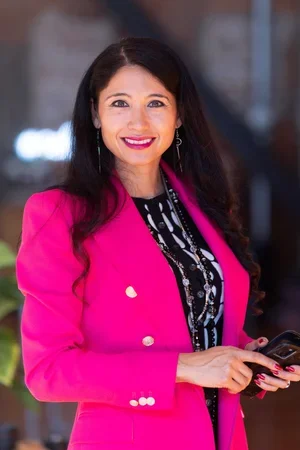
Dr Yvonne Chan Cashmore
Conscious Living & Wellbeing Consultant | Conscious Creations Collective
-
Dr Yvonne Chan Cashmore is a multidisciplinary creator, strategic engagement specialist, and conscious living consultant whose work explores the relationship between people, environments, wellbeing, and human potential.
With a background in Textile Design and a PhD in Smart/Intelligent Textiles, her research and practice bring together sensory environments, spatial awareness, emerging technologies, and wellbeing-focused design to create meaningful human experiences.
Yvonne is the creator of Interactive Healing Environments (IHE), a multi-sensory framework integrating sound, scent, light, art, and participatory engagement to support wellbeing, self-connection, and restorative experiences.
She has also held senior leadership roles at Auckland University of Technology, where she specialised in developing strategic partnerships across education, industry, government, community, and non-profit sectors.
As a member of the Universal Wellbeing Charter International Advisory Board (UWCIAB), Yvonne supports prevention-focused approaches that explore how environments, sensory awareness, and conscious connection can contribute to individual and collective wellbeing.
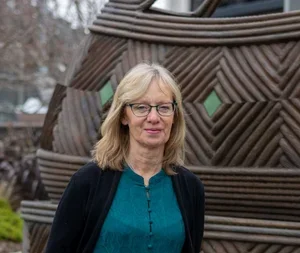
Professor Yvonne Thomas
Professor and Research Coordinator, School of Occupational Therapy
-
Professor Yvonne Thomas is a registered Occupational Therapist, educator, and researcher with extensive experience across mental health, social care, stroke rehabilitation, and higher education. She has led occupational therapy programmes in both Australia and the United Kingdom and is committed to accessible, student-centred education and increasing diversity within the health professions.
Her research focuses on innovative professional practice, practice education, and understanding and enhancing wellbeing, particularly for marginalised and socially disadvantaged populations. As a member of the Universal Wellbeing Charter International Advisory Board (UWCIAB), she contributes expertise in wellbeing, inclusion, education, and evidence-informed approaches to improving individual and community outcomes.
Amal Ariyaratnam
Senior Manager – Health, Safety, Environment, Wellbeing and Injury Management, Serco New Zealand
-
Amal Ariyaratnam is a health, safety, and wellbeing leader with extensive experience across healthcare, construction, infrastructure, and public sector environments. His work focuses on creating safe, resilient, and high-performing workplaces through effective leadership, risk management, psychosocial safety, and organisational wellbeing. He is committed to supporting practical approaches that strengthen workforce wellbeing, safety culture, and long-term organisational performance.
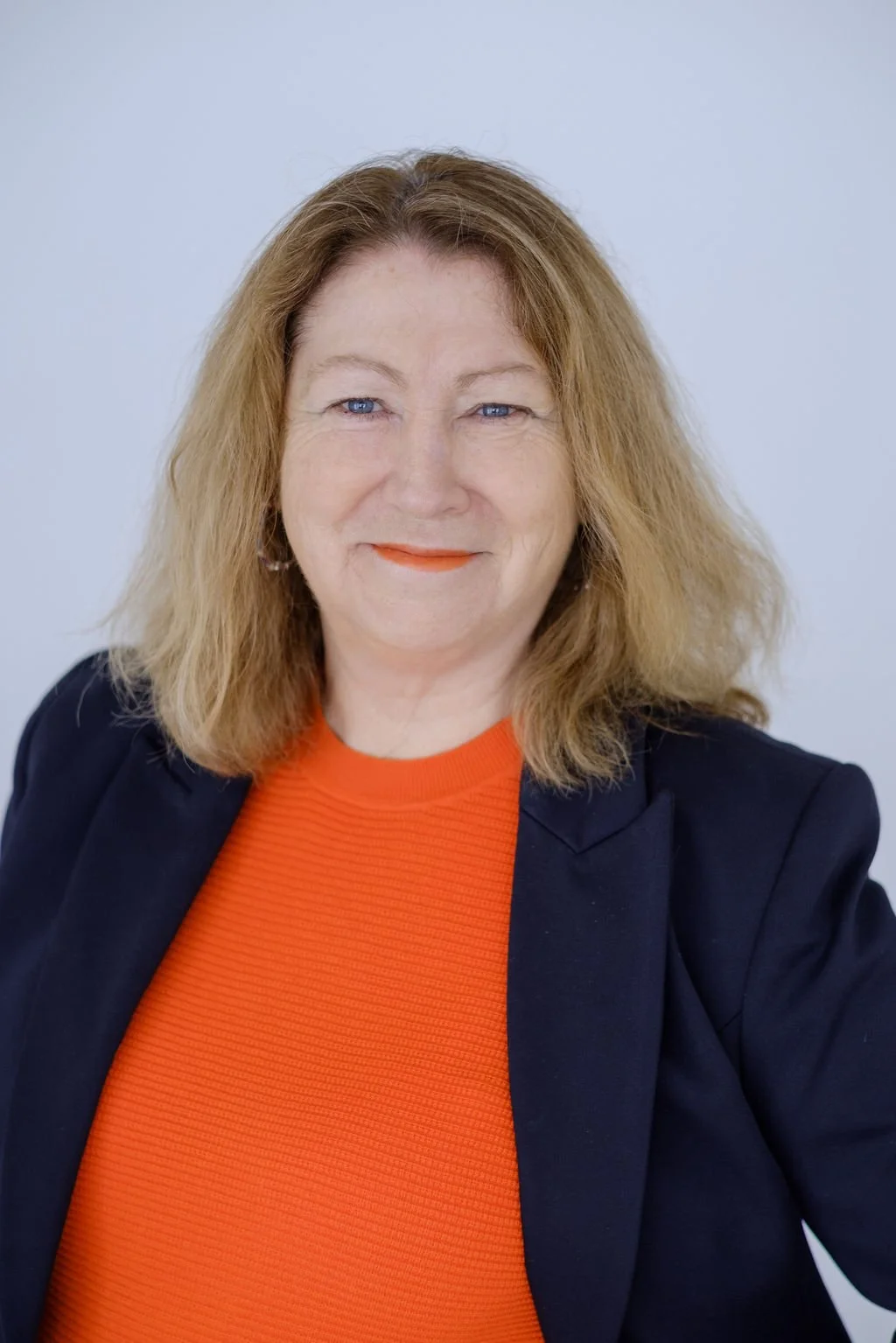
Susan F. Stevenson
Director, FREEDOM Wellbeing Institute (FWI) & New Zealand Curriculum Design Institute (NZCDI)
-
Susan F. Stevenson is an educator, researcher, and wellbeing practitioner whose work focuses on prevention, Universal Wellbeing, educational innovation, and systems-level change. With extensive experience across education, community development, research, and leadership, she has led the development of the Universal Wellbeing Model and associated frameworks that support individuals, organisations, and communities to achieve measurable wellbeing outcomes. She is committed to advancing evidence-informed, prevention-focused approaches that create sustainable positive change.
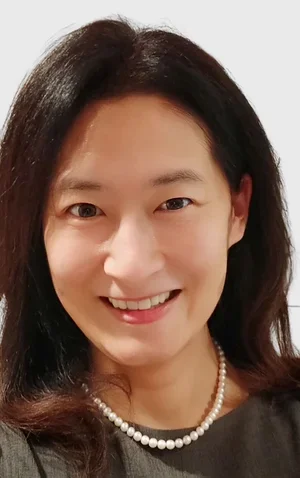
Dr Yoko Mori
English Lecturer
Institute of Science, Tokyo, Japan
-
Dr Yoko Mori teaches English communication to healthcare students at the Institute of Science Tokyo, Japan. Through her work in English education and academic development, she promotes inclusive learning environments where every voice is heard and valued. Her interests include communication, wellbeing, and supporting meaningful connections that help individuals and communities thrive.
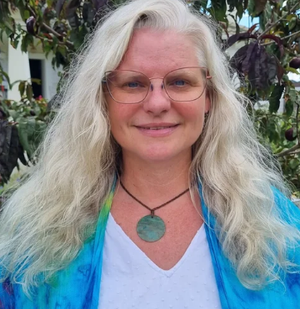
Fiona K. Mackay
Therapist, Facilitator & Disability Advocate
Finding Balance Counselling Services
-
Fiona K. Mackay is a therapist, facilitator, supervisor, and disability advocate with more than 20 years of experience supporting wellbeing, trauma recovery, and personal growth. Through her practice, Finding Balance Counselling Services, she works with individuals, groups, and communities using holistic, creative, and evidence-informed approaches that promote healing, empowerment, and resilience. Her work reflects a strong commitment to inclusive wellbeing and supporting people to thrive across diverse life experiences.
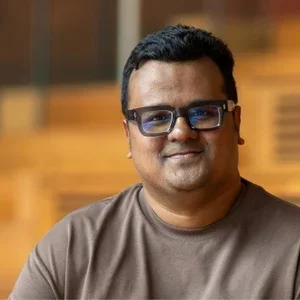
Dr M. Tasdik Hasan
Policy and Advocacy Lead, Mental Health Council of Tasmania
-
Dr M. Tasdik Hasan is a physician, researcher, and global mental health advocate whose work focuses on digital mental health, health equity, and improving access to care for underserved communities. His research explores innovative and culturally responsive approaches to mental health support, particularly for vulnerable populations in low-resource settings. Through research, policy, and advocacy, he is committed to advancing inclusive, prevention-focused solutions that strengthen wellbeing outcomes locally and globally.
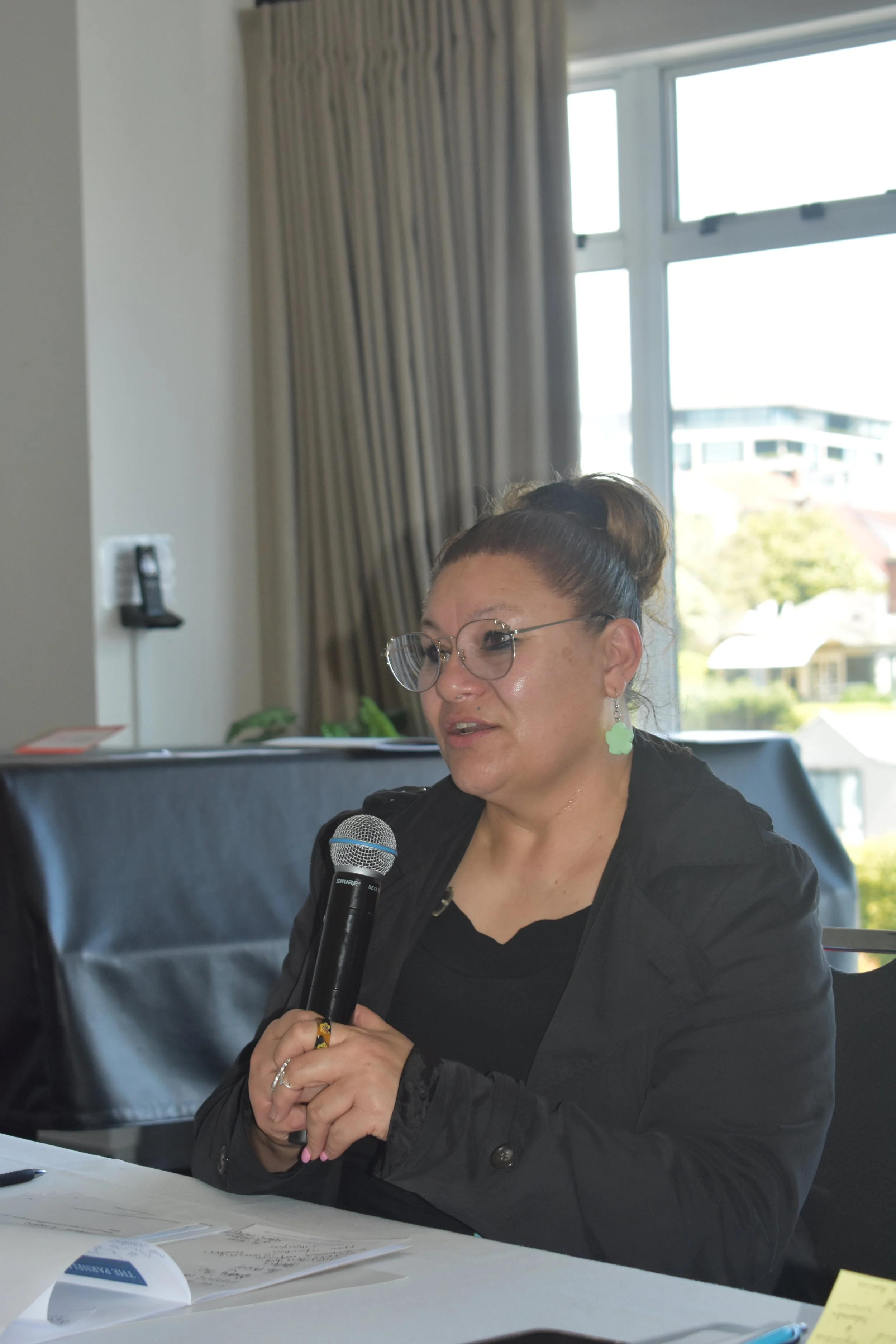
Sifiga Sa'o
Secretary, Universal Wellbeing Advisory Board (UWAB) | Universal Wellbeing Graduate
-
Sifiga Sa'o serves as Secretary of the Universal Wellbeing Advisory Board (UWAB) and is a graduate of the Universal Wellbeing programme. She is passionate about supporting initiatives that strengthen wellbeing, community engagement, and positive social outcomes. Through her governance and community involvement, she contributes to advancing prevention-focused approaches that empower individuals, families, and communities to thrive.
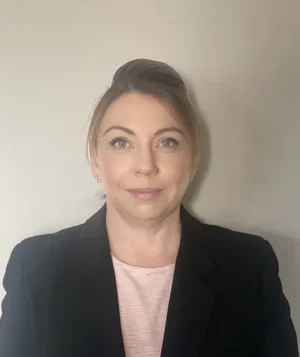
Dr Jolene Morse
Chief Risk Officer, Catholic Education Sandhurst Limited, Australia
-
Dr Jolene Morse is a Chief Risk Officer, Board Director, Lecturer, and Enterprise Risk Management specialist with more than 20 years of experience across education, financial services, health, consulting, wellbeing, and the public sector.
Currently serving as Chief Risk Officer at Catholic Education Sandhurst Limited, she leads risk, governance, compliance, assurance, and organisational resilience across a large education system supporting schools and early childhood services throughout Australia.
Her work focuses on governance, leadership, organisational culture, resilience, and strategic decision-making, helping organisations build trust, strengthen capability, and navigate complexity. Dr Morse holds a Doctorate in Enterprise Risk Management and is undertaking postgraduate studies in Educational Neuroscience.
As a member of the Universal Wellbeing Charter International Advisory Board (UWCIAB), she brings expertise in governance, resilience, ethical leadership, and systems thinking to support prevention-focused wellbeing approaches and long-term organisational and societal outcomes.
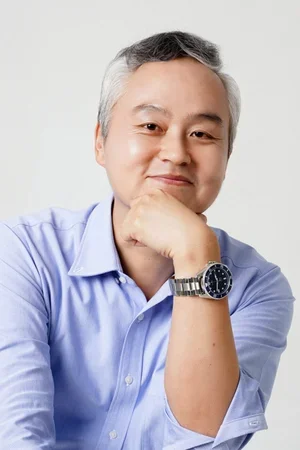
Professor Eisen Shim
Chairperson, Green Medicine Association of New Zealand Inc.
-
Professor Eisen Shim is a researcher, consultant, and educator with expertise spanning health, eco-environmental sustainability, natural medicine, and business development. Based in New Zealand and actively engaged across international academic and professional communities, his work focuses on advancing innovative approaches that support health, sustainability, and community wellbeing through research, education, and strategic leadership.
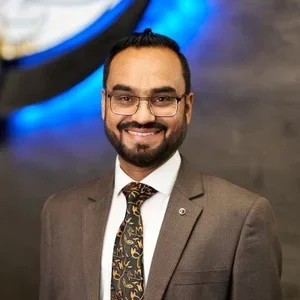
Dr Syed M. Shahid
Senior Postgraduate Lecturer, School of Health & Sport Science, Eastern Institute of Technology (EIT)
-
Dr Syed M. Shahid is a health science researcher, educator, and academic leader with more than 20 years of experience across public health, community wellbeing, non-communicable diseases, mental wellbeing, and digital health. His work focuses on translating research into practical solutions that support diverse communities, improve health outcomes, and strengthen long-term wellbeing through evidence-informed approaches.
Professor Kay Fielden
Research Manager
FWI & NZCDI
-
Professor Kay Fielden is an experienced researcher, educator, and research leader whose work spans Universal Wellbeing, mindfulness, research methods, information technology, business, and computing. She has led and supported a wide range of research projects across education, wellbeing, and organisational contexts, with a particular interest in translating research into practical, real-world outcomes.
Holding a PhD (SocEc) from the University of Western Sydney, together with qualifications in Computer Science, Professor Fielden brings extensive expertise in research design, evaluation, and evidence-informed practice. As a member of the Universal Wellbeing Charter International Advisory Board (UWCIAB), she supports prevention-focused approaches that strengthen wellbeing outcomes for individuals, organisations, and communities.
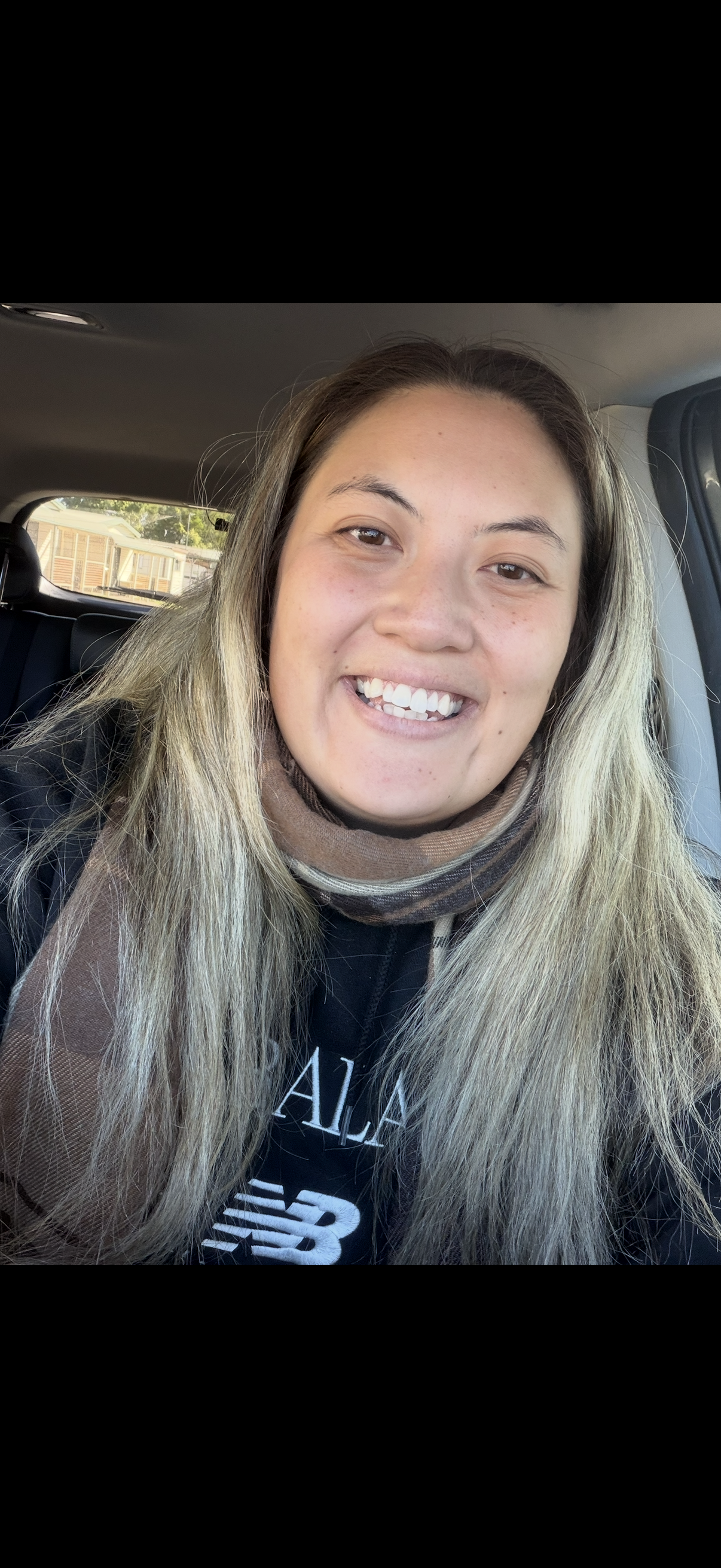
Samantha Teinakore
Mental Health Nurse & Educator
-
Samantha Teinakore is a registered nurse (RN) who has worked in mental health since she graduated at the end of 2019 from the University of Auckland (UoA). After completing her post graduate certificate with UoA and the honours program from the University of Waikato (UoW) she started working in the academic space for both undergraduate and postgraduate nursing programs for the University of Auckland (UoA). Her clinical experience has been across multiple spaces including community and inpatient mental health in both New Zealand and Australia. Her work is informed by a strong interest in holistic wellbeing, transparency, preventive mental health, collaboration, effective communication and culturally responsive practice, Her honours research was based on exploring perceptions of Te Whare Tapa Whā among Māori and non-Māori mental health nurses. She feels honoured to support people in some of their hardest times and is committed to supporting holistic approaches that strengthen individual, whānau, and community wellbeing.
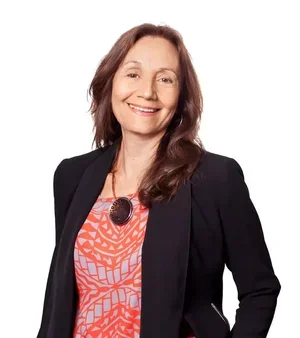
Denise Kingi-Uluave
Specialist Clinical and Translational Lead, Le Va/Wise Group
-
Denise Kingi-Uluave is a senior clinical psychologist, researcher, and wellbeing leader with extensive experience across mental health, suicide prevention, workforce development, and community wellbeing. Her work focuses on translating evidence into practice, strengthening prevention approaches, and improving wellbeing outcomes for diverse communities. She is a passionate advocate for prevention-focused systems that support long-term mental health and wellbeing for individuals, families, and communities.
The Next Step in Universal Wellbeing Starts With Action.
Have a community initiative, organisational challenge or prevention-focused project in mind?
Connect with FREEDOM Wellbeing Institute to explore collaboration, project development, evaluation and potential funding pathways for initiatives that address wellbeing challenges at their source.
Talk to Us About ChangeOpen to individuals, community organisations, researchers, workplaces and public sector representatives in New Zealand and internationally.